
Canning Supplies: Best Tools for Preserving Food
Learning the skill of canning can feel like a daunting task. Even with the best recipes, you need the right canning supplies to get the job done.
These are my tried-and-true tools I use year after year. Whether you’re just starting or upgrading, this list covers all the canning essentials.
As an Amazon Associate I earn from qualifying purchases.
Canning Essentials

Canners
The main types of canning are Water Bath Canning for high acid foods and Pressure Canning for low-acid foods. These two methods of canning require different types of canning equipment to achieve safe jars of food.
|
Water Bath Canner

|
Pressure Canner

|
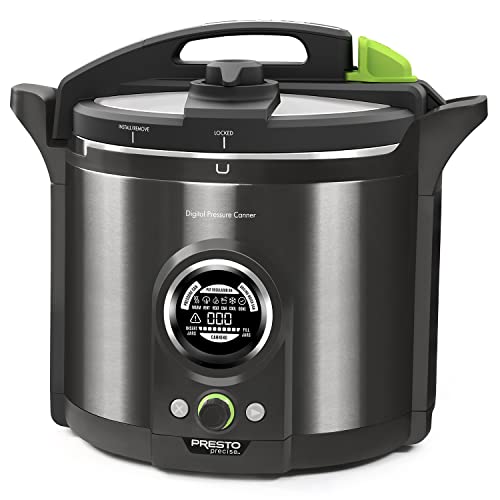
All-In One Electric Canner
|
|
|
|
|
Water Bath Canners
Water bath canning is the method used for high-acid foods like jams, jellies, and pickles. The jars of food are submerged under 2 inches of water and boiled to seal the food inside safely.
High acidity in the recipe makes this method quicker than pressure canning, and is often a beginner friendly way to get started.
Water bath canners cannot be used as pressure canners. Even a large stainless steel pot with a rivet in the bottom can be used to water bath can, which makes this a great entry level canning project.
Pressure Canners
Pressure canning is the method for preserving low-acid foods like meats, broths, and vegetables like corn and green beans.
The low-acid foods need the high pressure environment inside a pressure canner to be preserved safely.
A pressure canner can be used as a water bath canner if used without the lid. If you are trying to save money on equipment, investing in one pressure canner that can be used in both canning methods is a great way to do so.
If you want more information on the difference between water bath canning and pressure canning, I have a detailed post on that here.

All-In-One Electric Canners
The all in one electric canners are relatively new on the scene in canning equipment. These canners have quickly become a favorite in my kitchen.
An all in one canner is plugged in like an instant pot, but have the capability to both water bath and pressure can foods without heating up your kitchen or using the stove.
Their electric display also handles all of the temperatures, pressures, and timers for you! This method is simpler, more fool proof, and more hands-off!
If you have a bit more to spend and want a more streamlined canning process, I highly recommend these canning supplies.
Canning Jars
|
Quart Size Mason Jars - Regular Mouth

|
Quart Size Mason Jars - Wide Mouth

|
|
$14.39
|
|
Wide Mouth Canning Jars
Wide mouth canning jars are the best for foods that need to be individually placed into the jar, or have a thick texture. Wide mouth jars are great for things like pickles or meats.
Most wide mouth jars are quart sized, but there are pint sized options available.
Regular Mouth Canning Jars
Regular mouth canning jars are extremely versatile because they commonly come in both pint and quart sizes.
I like to use the half pint and pint size jars for things like jellies, jams, corn, beans, and even taco meat for easy portioning.
The quart size jars are great for pourable items like broths and soups!
Canning Lids & Canning Rings
Canning lids and rings are necessary for sealing your jars. Each pack of jars comes with the necessary number of lids and rings. You won’t need to buy rings over and over again, but canning lids are often recommended as single use, so these will have to be re-purchased.
Popular canning lid brands are:
- Ball (mason jar brand)
- Superb Canning
- ForJar USA
Helpful tools
|
Jar Lifter

|
Canning Funnel

|
De-Bubbler & Lid Lifter

|
|
|
|
$7.99
|
Jar Lifter
Jar lifters are one of the most essential canning supplies. A metal tool with rubber handles provides both durability and practicality. The metal frame is sturdy enough for longevity, and the rubber grips provide a slip-proof surface in contact with your jars.
A jar lifter is used to lower jars into hot canner water, and to remove jars from the hot canner, while protecting your hands.
Canning Funnel
Canning funnels make filling jars simple and quick! Use these for keeping jar rims clean and to prevent food spillage.
I use my canning funnel for pouring in messy foods like jams. Or for filling jars of corn and green beans without spilling.
De-Bubbler (bubble remover) & Head Space tool
Canning recipes specify a measurement for headspace: the space between the food in the jar and the rim. Different foods with different recipes require different head space. This tool will help you to know that you have achieved the proper head space.
The other side of this tool can also be used to remove pesky bubbles that may be hiding inside your jar, under the food. Using a de-bubbler is an important step in achieving food safety in your recipes.
Magnetic Lid Lifter
Magnetic lid lifters are not as necessary as the tools listed above, however, they are convenient when keeping equipment sanitary.
Using a magnetic lid lifter keeps lids clean and smudge free before placing them on the jars.
Canning Preparation & Storage
|
Drying Mat

|
Kitchen Towels

|
Chalk Markers

|
Canning Storage

|
Drying Mat
A drying mat that is often used for dishes is a great way to allow jars to cool.
Because these are thicker than most kitchen towels, jars can sit on them securely while being protected by temperature changes between the hot jars and cool counters.
They also provide an absorbent surface to keep your counters and floors clear from excess water.
Clean Kitchen Towels
Clean kitchen towels are essential for canning. Using clean canning supplies ensures food safety and a pleasant work environment!
Use your clean kitchen towels to wipe jar rims before canning, and cleaning jars after canning. They can also be used to clean up canning supplies when you are done.
Chalk Markers – Labeling
Chalk markers are a great way to label your jars when canning is finished. Chalk markers are one of my favorite ways to label jars because the label wont smudge, but can also be cleaned easily after the jars have been used.
You can also use a sharpie marker for the labels, but I find these harder to wash off after.
Be sure to always label your canning jars so that you know the contents of the jar as well as the date the food was canned.
Pantry Canning Storage
Storage racks can make storing your jars a much more convenient experience. Be sure to choose storage with an even, flat bottom for the jars.
Popular racks like wire racks aren’t great for canning jars because the jars can’t sit flat. You don’t want to risk losing jars to falls!
More Canning Content

If you want to learn more about canning, check out my posts on getting started here:
If you want to check out my popular canning recipes, you can find them here:


